Home › Masonry Restoration and Historic Preservation
We perform historic masonry restoration in Raleigh, NC for older brick and stone buildings. Using compatible mortars and careful methods, we repair facades, rebuild damaged areas, and clean surfaces without harm. Preserve the character of your property while improving safety and performance.
Superior Masonry Raleigh provides professional historic masonry restoration throughout Raleigh, NC, North Carolina and the surrounding area. Our licensed, insured crew delivers safe, clean, on-time work with a free estimate before anything begins. Call (984) 363-8707 or request your free quote.
Expert Historic Masonry Restoration in Raleigh, NC
Historic buildings in Raleigh and across Wake County rely on masonry that was laid long before modern construction methods. When that brick, stone, or mortar begins to fail, you do not need a general contractor, you need a specialist who understands older materials, traditional techniques, and local preservation expectations. Superior Masonry Raleigh focuses on historic masonry restoration that stabilizes and protects original structures while respecting their character.
Our team is familiar with Raleigh’s historic districts, including Oakwood, Boylan Heights, Mordecai, and older neighborhoods around downtown and NC State. We adapt our approach to meet the expectations of local historic commissions, HOAs, and building inspectors. Whether you own a 1920s brick bungalow, a downtown commercial façade, a church, or a pre-war apartment building, we evaluate the original construction, then restore it with materials and methods that fit that specific era.
Instead of treating restoration like cosmetic repair, we treat each project like a long-term structural and moisture management problem. We identify why masonry is deteriorating, such as trapped moisture from sealed coatings, poor drainage, or incorrect past repairs, and we correct those causes before rebuilding. This approach helps our clients in Raleigh avoid repeated repairs and preserves historic materials as long as possible.
How We Assess Historic Masonry Before Any Work Begins
Superior Masonry Raleigh begins every historic masonry restoration project with a detailed assessment, not a guess from the sidewalk. We inspect the entire structure, not just the visible damage, to understand how the wall was built and how it is currently performing.
We start with a close visual survey of the brick or stone units, mortar joints, and any previous patches or coatings. We look for patterns of cracking, bulging, spalling, and efflorescence (white mineral deposits) that signal structural shifts or water intrusion. In many older Raleigh homes, we see issues created by Portland cement patches that are harder than the original lime mortar, which often leads to brick faces popping off.
Next, we take mortar and brick samples when needed. These are used to match color, texture, and hardness. For significant historical properties or work inside official historic districts, we may recommend laboratory testing of mortar composition so that the replacement mortar breathes and expands at the same rate as the original. Matching hardness is critical in our climate because bricks exposed to freeze-thaw cycles must be able to dry completely.
We also evaluate drainage and detailing around the masonry. That includes checking flashing, window sills, weep holes, and grade levels. In Raleigh, it is very common for landscaping and mulch to creep above brick foundation vents and weep holes, which traps moisture in the wall. We factor these conditions into the restoration plan so new work is not immediately stressed by the same problem that damaged the old work.
Repointing and Mortar Matching for Historic Walls
Repointing (also called tuckpointing when done for appearance as well) is often the core of historic masonry restoration. Done correctly, it stabilizes loose masonry and keeps water out while maintaining the original look. Done incorrectly, it can accelerate damage or make your property ineligible for certain historic tax credits.
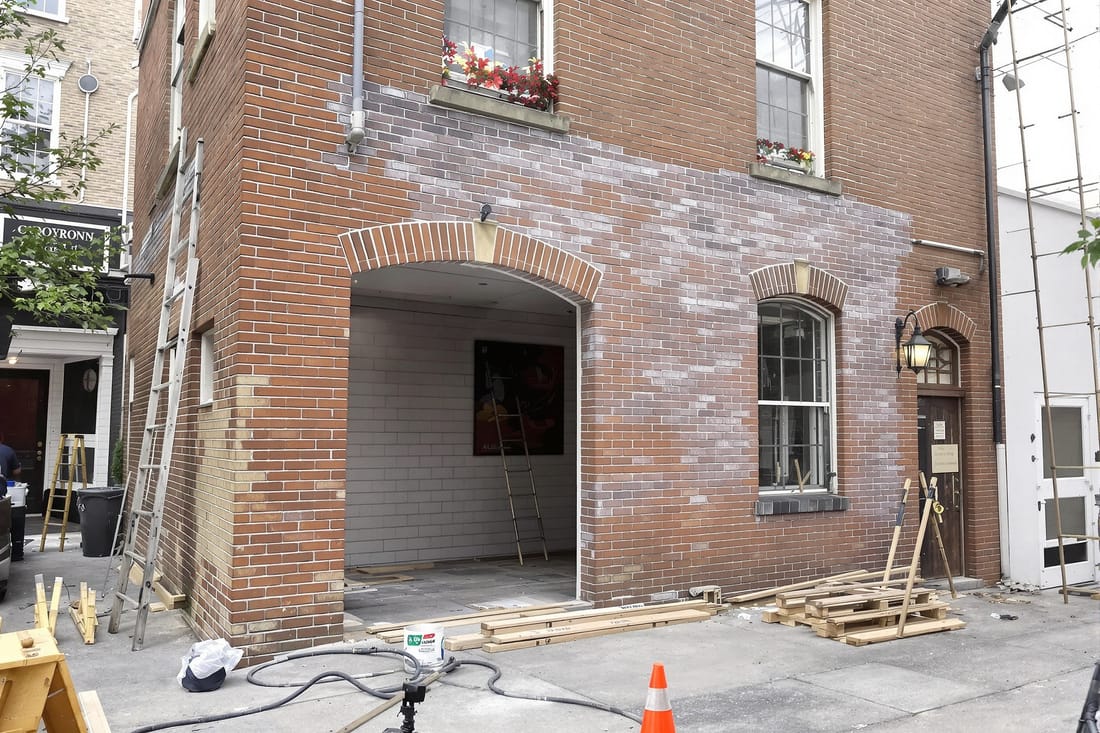
Superior Masonry Raleigh removes deteriorated mortar using specialized hand tools or low-vibration power tools, chosen to avoid chipping historic brick or stone. We never indiscriminately grind joints, which can widen them and remove sound mortar. The depth of removal typically equals at least twice the width of the joint so the new mortar has enough body to bond.
We then create a custom mortar mix that matches three critical elements of the original: composition (usually lime-rich for older walls), color, and joint profile. Many early 20th century Raleigh homes have softer, more flexible lime mortar that allows moisture to move through the joints instead of the brick. Using modern high-Portland cement mortar in these walls can trap moisture and cause brick faces to flake off. By replicating the original mix, we protect the masonry units and allow the wall to breathe.
Joint tooling is also matched to the existing style, whether that is concave, flush, weathered, or a more decorative type. This matters both visually and functionally because the profile affects how water sheds from the wall. Once cured, our repairs blend into the existing work so the overall wall looks consistent instead of patchy.
Brick, Stone, and Terra Cotta Repair or Replacement
Not all historic masonry can simply be repointed. Severely spalled bricks, cracked stone, and broken terra cotta pieces often require partial or full replacement. Our approach at Superior Masonry Raleigh is to replace only what is necessary and to source materials that match as closely as possible.
For damaged brick, we carefully cut out failing units and install new or salvaged bricks that are similar in size, color, and porosity. When the original brick size is no longer standard, which is common in older Raleigh homes, we may use custom-cut units or work with regional suppliers that specialize in historic stock. We pay attention to bond patterns, such as running bond, Flemish bond, or common bond, so patched areas do not stand out.
Stone restoration often involves pinning or patching as well as replacement. For sandstone or limestone elements, we might use mineral-based patching mortars that can be tooled and tinted to match surrounding stone. For granite, which appears on some institutional and religious buildings in the Triangle, we focus on anchoring loose stones, repointing joints, and correcting drainage details so freeze-thaw cycles do not lift or crack pieces.
Decorative elements like sills, keystones, and ornamental bands receive special attention. We document original profiles, then reproduce them as closely as possible if replacement is required. On some projects, especially older commercial façades in downtown Raleigh, we coordinate with fabricators who can replicate special terracotta shapes or cast stone pieces to maintain the building’s architectural language.
Cleaning, Sealants, and Protecting Historic Masonry From Moisture
Many property owners are tempted to pressure wash historic brick or stone to brighten it up. For older masonry in Raleigh, this is often the worst option. High pressure can erode soft mortar, open up the faces of older brick, and force water into the wall. Superior Masonry Raleigh uses cleaning methods that are gentle and compatible with historic materials.
We typically start with low-pressure water washing combined with masonry-safe detergents, followed by natural bristle brushing. When biological growth is present, such as algae on shaded north walls, we use cleaners that kill the growth and help delay its return without etching the masonry. For heavy staining like soot or old pollution, we may use proprietary restoration cleaners applied under controlled conditions and thoroughly neutralized afterward.
For most historic masonry, we avoid non-breathable sealers and waterproof paints that trap moisture. Instead, if protection is appropriate, we use breathable water repellents formulated for older brick or stone that allow vapor to escape while shedding bulk water. This is particularly important in Raleigh’s humid summers when walls need to dry out after storms.
We also address moisture at the source. That often includes repairing failed window and door flashings, reestablishing weep holes, correcting negative grading, and advising on downspout and gutter improvements. By fixing the overall water management system around your building, we help ensure the restored masonry does not immediately begin deteriorating again.
Permits, Historic District Rules, and What Raleigh Owners Should Expect
In Raleigh, not every masonry restoration project needs a building permit, but work in designated historic districts or on landmark properties often requires review and approval. Superior Masonry Raleigh is accustomed to coordinating with the Raleigh Historic Development Commission (RHDC) and local HOAs, which can significantly smooth your project timeline.
For properties in local historic districts such as Oakwood or Boylan Heights, exterior changes that alter appearance, like reconfiguring masonry openings or replacing decorative elements, typically require a Certificate of Appropriateness (COA). Routine maintenance, such as like-for-like repointing with matching mortar, may be considered minor work, but it still must follow RHDC guidelines. We help you document existing conditions with photos and descriptions and prepare scopes of work that align with these standards.
From a scheduling standpoint, most small residential restoration jobs in Raleigh run from a few days to a couple of weeks, depending on access, weather, and the extent of deteriorated masonry. Larger commercial or institutional projects can span multiple phases to keep portions of the building in use. We also plan around local weather patterns, avoiding work that might be compromised by freezing temperatures or intense summer storms during the critical curing period.
Noise, dust, and staging are kept as controlled as possible. We use dust collection and protect adjacent surfaces, landscaping, and walkways. In tighter urban sites, such as downtown buildings, we coordinate with owners and tenants to schedule work outside of peak business hours when necessary and to maintain safe pedestrian access.
Cost Factors and How Superior Masonry Raleigh Plans Your Project
Historic masonry restoration pricing is driven by much more than square footage. At Superior Masonry Raleigh, we provide detailed, line item estimates so you understand where your investment is going and what alternatives exist.
Key cost factors include access (ground level vs upper stories or chimneys requiring scaffolding or lifts), how deeply mortar has deteriorated, how many individual units must be replaced, and whether specialized materials or lab analysis are needed for historic compliance. For example, repointing a street-level brick porch wall in a Raleigh bungalow with standard access will be less expensive per square foot than repointing the parapet of a downtown commercial building that requires sidewalk protection and multi-level staging.
Authentic restoration often involves more labor than modern repair, but it also reduces the likelihood of future failures caused by incompatible quick fixes. We frequently see Raleigh properties where hard cement patching was applied over soft brick. That may have seemed cheaper at the time, but it usually leads to larger and more expensive repairs later. We explain these tradeoffs and provide options, such as focusing first on the elevations with active leaks or structural concerns.
Before any work begins, you receive a written scope that outlines areas to be restored, materials to be used, and any coordination needed with city reviewers or HOAs. Throughout the project, we keep owners informed with progress updates and photos of concealed conditions uncovered during the work. Our goal is to deliver historic masonry restoration that protects your building for decades, maintains its character, and stands up to Raleigh’s climate while giving you clear visibility into every step of the process.